Education: know where to look when
one does not know the answer.
- Education: know where to look when one does not know the answer.
- Simulations & Activities
- Teaching Lab Work
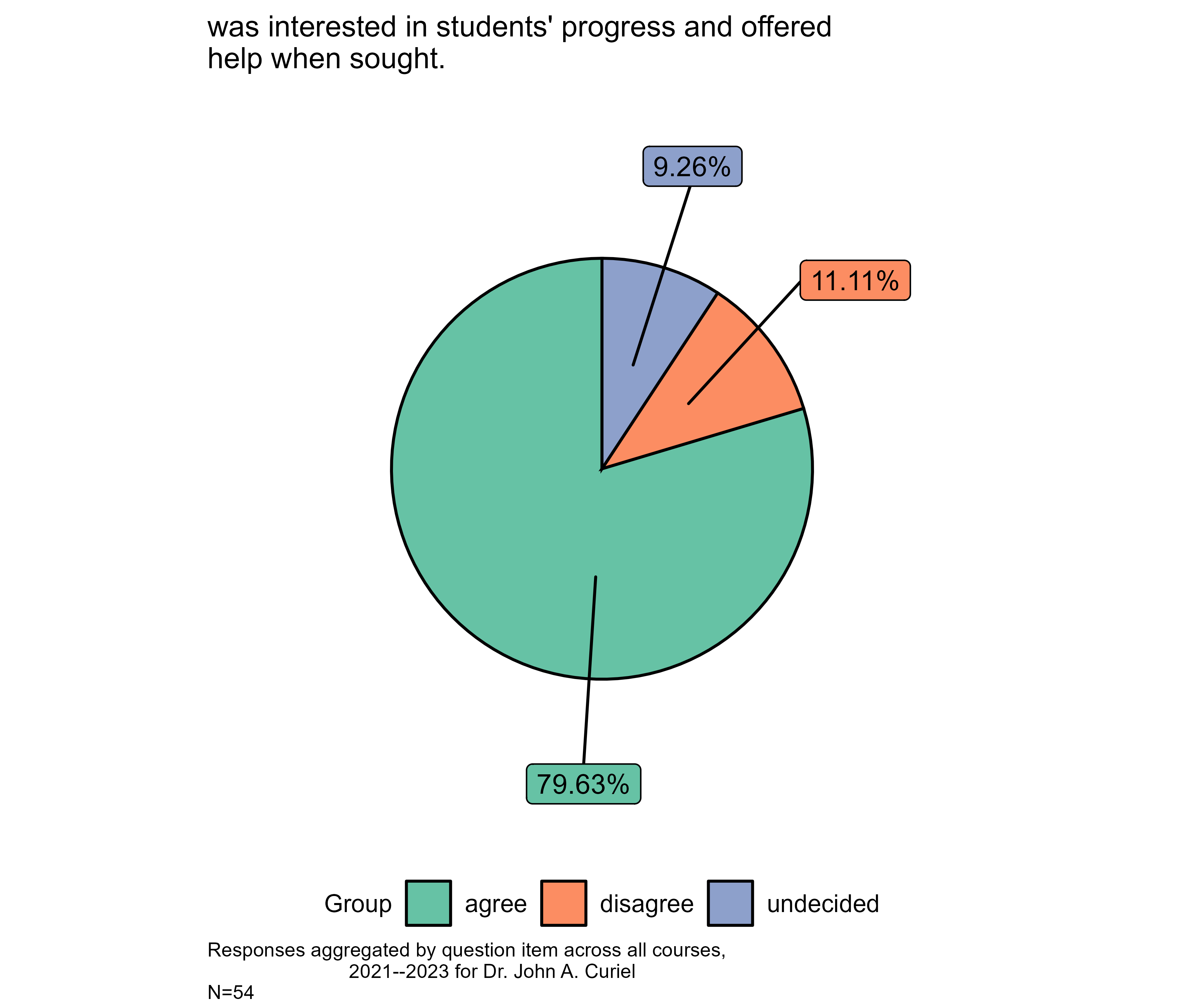
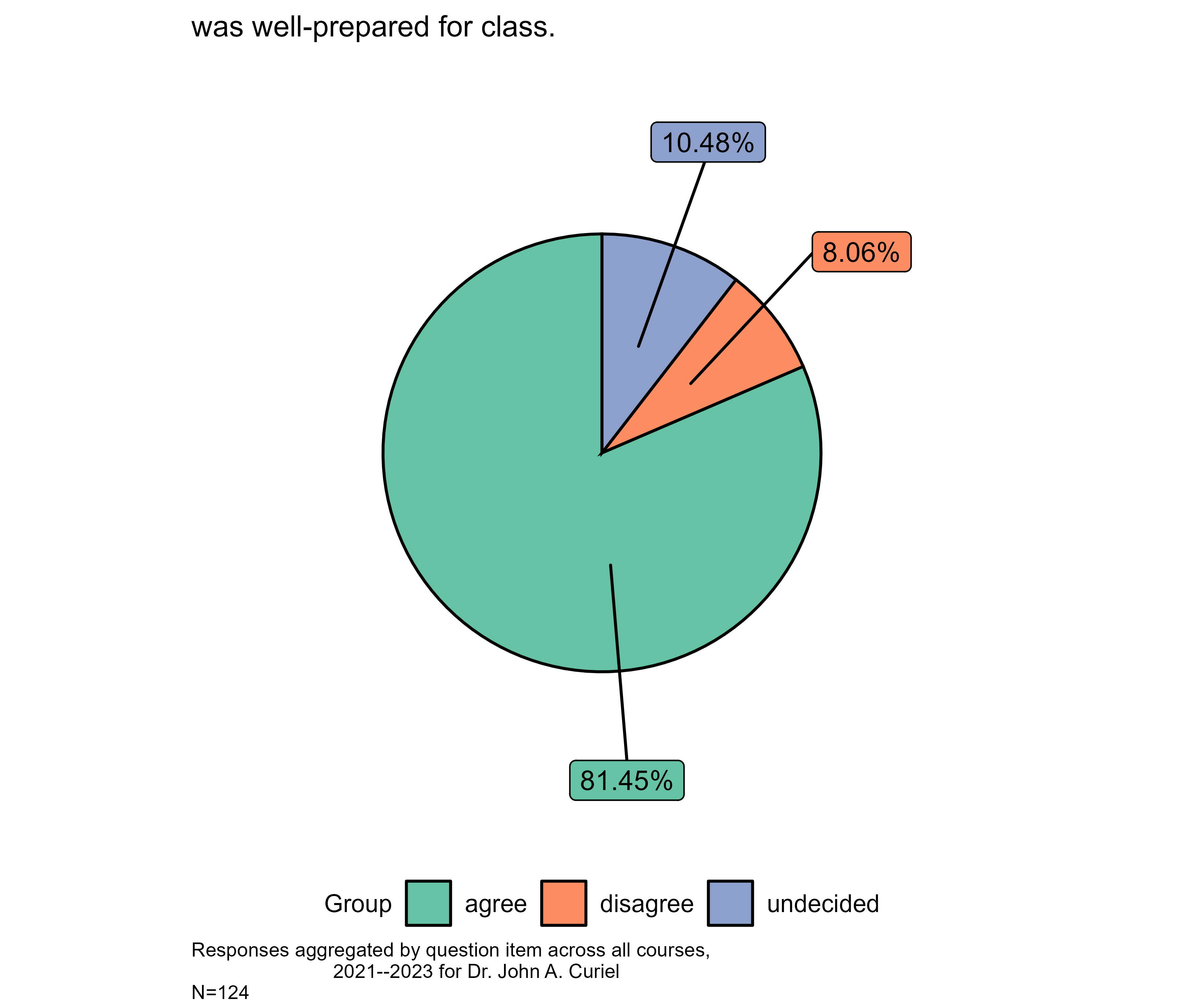
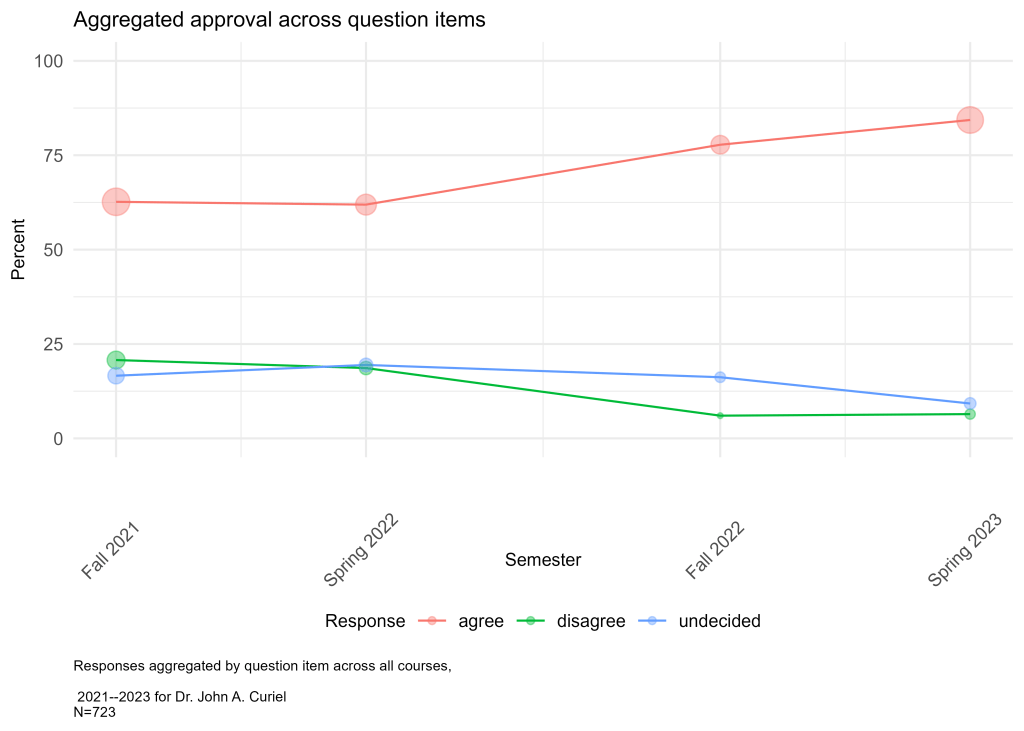
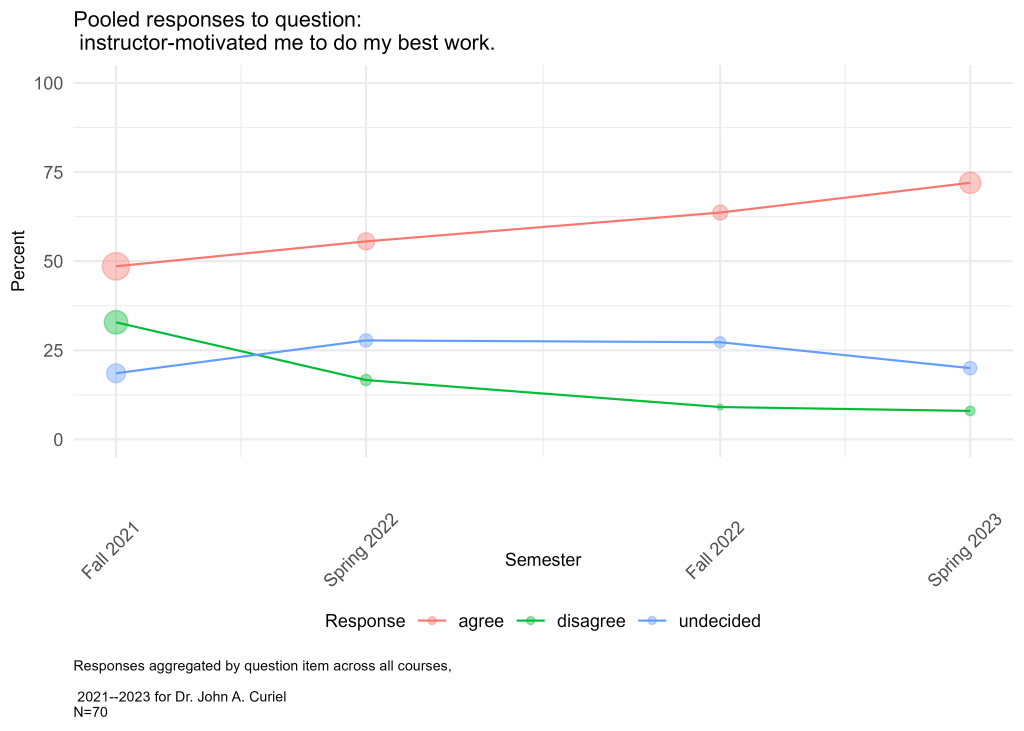
- Evaluations
Teaching portfolio
Syllabi
Intro to American Government
Introduction to American government covers political institutions, political behavior, and policies in order to lay down the foundation to understanding American politics, and politics generally. The course is structured to introduce the origins of American governmental branches and system of federalism, and the feedback between the government and citizens.
Students enrolled in this class will:
- Develop a working knowledge of American government and how this affects who gets what, where, when, why and how
- Critically think and understand political outcomes from a variety of perspectives
- Cooperate and organize in groups
- Participate meaningfully in American politics beyond voting
- Convey political ideas concisely through analytical writing
State & Local Politics
Federalism within the U.S. places the majority of policymaking decisions and bureaucratic venues on the 50 states. They are the labs of democracy, yet often ignored in lieu of national politics. The end goal is to teach students the foundation of basic knowledge, a growing curiosity about state politics, and some improved theoretical and analytic tools they can use to learn more about and experience politics.
Gender & Politics
This course provides an overview to the field of gender and politics by examining the structural and institutional barriers to the full human and civic rights for women and non-traditionally dominant genders. The course shall draw upon political theory, public policy, sociology, quantitative political science, and ethnographic research to analyze the compounding complications facing women in influencing “who gets what, when, and how” (Lasswell 1939), the very definition of politics. The following questions run through the course:
(1) What are the historical ideological foundations of patriarchy and default role of masculinity in politics? How do these get reinforced with time?
(2) To what extent are the lack of policy solutions to women’s inequality intentional or the result of structural inertia?
(3) How do differing combinations of intersectional identities compound to lead to even greater political disparities for women by race and socioeconomic status?
This course is designed to develop (1) a strong substantive understanding of how gender and sex are connected to political systems, (2) critical thinking skills about contemporary political issues, and (3) written and oral communication skills. We will focus specifically on finding and using evidence to support your arguments in an effort to improve communication about sensitive topics.
Race & Politics
The goal of race and ethnic politics is to understand the confluence of behavioral and institutional factors that lead to the systematic inequalities by race. Of crucial importance is to understand how these inequalities manifest across generations, and the burden historical racial oppression and the legacy of slavery directly impose upon politics in the current day. The course shall be broken generally into the following sections:
(1) Origins, (2) Ideology, (3) Attitudinal racism, (4) Intersectionality, (5) Empowerment, (6) Retrenchment and Criminal (In)justice, (7) Media portrayals, (8) Barriers to representation, and (9) Policy inequalities.
The course shall draw upon political theory, public policy, sociology, criminal justice, quantitative political science, and ethnographic research to analyze the compounding complications facing racial minority groups in influencing “who gets what, when, and how” (Lasswell 1939), the very definition of politics. The following questions run through the course:
(1) What are the historical ideological foundations of racial hierarchy and white domination within American politics? How do these adapt with time?
(2) To what extent are the lack of policy solutions to racial inequality intentional or the result of: ignorance on race, racial animus, or outright racism?
(3) How do differing combinations of intersectional identities compound to lead to even greater political disparities by race, gender, place, and socioeconomic status?
(4) What would be the necessary conditions and shift in American culture and economic policy in order to attain racial equality?
This course is designed to develop (1) a strong substantive understanding of how race is connected to political systems, (2) critical thinking skills about contemporary political issues, and (3) written and oral communication skills. We will focus specifically on finding and using evidence to support your arguments in an effort to improve communication about sensitive topics.
Research Methods
This course provides an overview to research methodology within the social sciences, specifically for political science, sociology, and criminal justice. The focus is on the sciences part of social sciences, as students shall learn how to consume, operationalize, and apply the scientific method to questions related to power, society and the administration of justice. By the end of this course students should:
- Learn to think in a more nuanced and scientific way about human society broadly defined
- Become proficient in understanding the rationale and design of social science research.
- Demonstrate a proficiency in identifying, locating, and evaluating scholarly social sciences
- Understand the process of theory and model building within research
- Develop an understanding of the responsibilities and duties that arise as a social scientist
While the course is a pre-requisite to more advanced social science methodological fields, the lessons learned can and should be applied as a means to incorporate more nuanced understanding of scholarly advances within your field and how to structure how one learns and adapts to future developments within your major field. Students are likewise strongly encouraged to give strong thought to incorporating the output of the course into senior theses and/or capstone projects.
Policy Analysis
Public policy analysis has been described as the art and craft of “speaking truth to power” (Wildavsky, 1987). Grounded in the social sciences, policy analysis aims to provide evidence-based analysis and advice to guide the development and implementation of public policy — and influence the work of government agencies and other stakeholders. Policy analysis requires several distinct sets of skills: an understanding of the policy context, an appreciation for the concerns of diverse stakeholders, technical knowledge of analytical tools, and the ability to develop and communicate practical advice. This course examines the foundations of public policy analysis, introduces students to key concepts, and provides project-based opportunities to practice skills.1 The class is structured around Bardach and Patashnik’s “eightfold path” (Figure 1), which lays out a series of eight steps, beginning with Define the Problem, that one should follow when analyzing a policy problem. Along the way, they present concepts, research and cases to illustrate their ideas.
As the authors note, despite the sequential presentation, most analyses do not linearly follow the eight prescribed steps in precisely the order shown below, and not all of the steps are always applicable (Bardach and Patashnik, 2015, p. xvi). The authors also stress that the one most move iteratively through the eight steps — moving forwards and backwards multiple times. This is because, as Figure 1 shows, to define the problem often requires an understanding of viable alternatives, which involves projecting outcomes and confronting tradeoffs, which involves selecting criteria for evaluation.
Some or even most of the steps shown above are often carried out implicitly by analysts, researchers, advocates, the public and politicians. These steps are also core to most public policy MA/PhD programs. Therefore, this course is designed to lay the foundation for students to pursue meaningful and scientific analysis professionally, whether as a policy think tank researcher or MA/PhD program.
Congress
This seminar is intended as a broad survey of the literature on the U.S. Congress. In this course we will discuss the origins and development of the U.S. Congress, congressional elections, the committee system, legislative process, the role of political parties, and lawmaking.
Students enrolled in this class will:
- Develop an applied understanding of why/how Congress works, and how this affects who gets what, where, when, why and how
- Deconstruct power relations and logic of institutionalization
- Best means to lobby for policy change
- Extend political science ideas in a scientific manner
- Convey political ideas concisely through analytical writing
Politics of Fascism in Pop Culture
The goal of this class is to understand the structural workings of fascism and its commentary in popular culture. Students shall learn both the ability to determine whether a piece of media touches upon fascism specifically versus some other form of totalitarian belief system, and whether said media condones or condemns the political belief system. The class therefore aims to serve both students with an interest in political commentary and creative writing/communication students who seek to increase their understanding and application to politics.
The umbrella of fascist beliefs can be difficult to categorize and identify given its often amorphous form, focus on “national spirit,” lack of material foundations, and existence of other types of totalitarian political regimes. However, discourse of fascism can likewise be difficult to group into satire/parody due to the generally accepted “reasonable person” subjectivity that separates, but can also be difficult to discern whether pieces of media endorse or condemn fascism. Therefore, the class learning goals are as follows:
1. Develop a working knowledge of the structural components of fascism present in all fascist systems
2. Distinguish fascism from other totalitarian governments via the triadic model of ideology and applied Explanation, Evaluation, Orientation, and Programmatic (EEOP) models of ideology
3. Identify the core aesthetics and terminology of pro-fascist messaging given the ideology’s core belief system
4. Understand the local/semi-subjective “reasonable standard” context that distinguishes endorsement of fascism from satires and parodies of fascism
5. Distinguish pieces of media with “fascist” elements by happenstance versus sincere fascist belief systems
6. Learn the media literacy necessary to engage in political discourse surrounding totalitarian belief systems as propagated by propaganda
Note that the underlying assumption of the class is that small-l liberal democracies are desirable and fascism antithetical to individual freedoms. Likewise, while we will critique the presence of other totalitarian regimes in passing, the focus shall be on the establishment and maintenance of fascist regimes. While students can and are encouraged to question assumptions and first principles, these will be the constant ones throughout the course.
Political Theory of Place
The course centers on understanding the importance of where politics takes place as a key to understanding normative and positive political theory. The purpose is to extend our understanding of politics to incorporate geography and place, and to introduce students to key texts and contexts that discuss the role of location on political theory. Upon completion, students will be able to understand and analyze politics within the context of geographic and politically constructed space.
Simulations & Activities
Active learning is necessary for students to apply, and in turn, intuit, the lessons learned in lectures. A memorable experience can often be enough to engrain a complex topic, such as bargaining theory and inter-branch bargaining that is otherwise not possible in lecture. Below are some of the example exercises for a dynamic and fun course.
Intro to American Government
Party platforms act as one of the primary means for party elites to convey their organization’s ideological and policy stances. Given these four real state party platforms on educational and economic issues, rank and compare them on the economic dimension of ideology.
In the following activity, students shall break into groups based upon methods of electing the U.S. President to advocate. Each group is responsible for researching and advocating for their individual mode of electing the President based upon the following alternatives. Each group shall answer the following questions in a presentation to the class and rebut the competing alternatives with well researched and communicated 7-minute pitches. Visual aids (i.e. power points) are encouraged. These are the following points to address in a presentation:
- Provide a synopsis of how the method would work via: (a) Power/role of states (b) Direct power of individual voters (c) Translation of individual votes to selection of President
- Explain the benefits relative to other methods
- Impact on previous contentious elections of interest (i.e. 1800, 1824, 1876, 1888, 2000, 2020)
- Overall impact on legitimacy, broadly defined
- Overall impact on the quality of Presidents
- Role of majoritarianism
Following the presentation, students will have to respond to questions from each of the competing groups and professor.
State & Local Politics
The British are about to attack their former 13 colonies. The 13 states must gather their resources necessary to fight off the British, though each state has no strong incentive to help, and the central government has no real power to coerce states into compliance. Can student groups broken into the various states successfully unite to defend their new nation, or fall to the dustbin of history?
Governors vary in their ability to veto legislation across the states. Not all governors wield the same power, as some bear only the blanket veto, whereas some governors un U.S. history could veto individual letters. In this game, students are randomly assigned to play legislators and governors, with each group seeing a different type of veto power. Students must pass their preferred policies, thwart the other side, all the while preventing a government shutdown.
Redistricting is a complex process that even experts have trouble with. The goal of this exercise is to aid students in realizing how to adhere/bypass constraints while achieving their end goal, which can only be secured through properly drawn map boundaries.
Surveys are one of the primary mechanisms by which politicians and political scientists ascertain public opinion. Yet not all surveys seek an unbiased sample. Students must analyze the text of a real online survey and determine which biases are present and why.
Academic journal articles offer a wealth of information, though can be dauting for undergraduate students. The following worksheet offers a step-by-step guide for students to annotate while reading an article as part of a useful class assignment. Also incorporated are reference materials used in class to aid in teaching the structure and purpose of academic articles.
Purpose: This activity is designed to aid students in understanding the basics of Bayes, and more importantly, how to make the best decisions in a limited time frame. This will involve identifying the most critical evidence to write off non-feasible alternatives, which in this case, takes the form of dice rolls.
Activity: Students within working groups will need to estimate their best estimate as to the type of dice. The guessing shall take place across a range of contexts, where the instructor shall secretly roll and reveal the number from a die, which shall be randomly selected from a bag of dice for a given round. The die shall remain constant throughout the round. The proportion of dice by type within the bag shall be told beforehand. Therefore, students should be able to make use of the Bayesian framework to estimate the type of die being rolled. A correct guess shall result in a point for a team. All points shall be tallied up at the end, and applied as extra credit towards participation.
Research Methods
Purpose: This activity is designed to aid students in understanding the basics of Bayes, and more importantly, how to make the best decisions in a limited time frame. This will involve identifying the most critical evidence to write off non-feasible alternatives, which in this case, takes the form of dice rolls.
Activity: Students within working groups will need to estimate their best estimate as to the type of dice. The guessing shall take place across a range of contexts, where the instructor shall secretly roll and reveal the number from a die, which shall be randomly selected from a bag of dice for a given round. The die shall remain constant throughout the round. The proportion of dice by type within the bag shall be told beforehand. Therefore, students should be able to make use of the Bayesian framework to estimate the type of die being rolled. A correct guess shall result in a point for a team. All points shall be tallied up at the end, and applied as extra credit towards participation.
Process tracing activity: Political Science and the impact of Calling the Election on Turnout in the Florida panhandle, 2000 Presidential Election
Summary: During the presidential election of 2000, major media outlets called the Florida election for Al Gore, despite the race being to close to call and ultimately going to George W. Bush. Political commentator John R Lott wrote in the Philadelphia Inquirer and a Cato Institute Report that the early call for Gore cost Bush ~17,000 votes in the Florida panhandle, which still had an additional hour of voting left, given that the panhandle is in a different time zone from the rest of the state. Lott found these results using a quantitative technique called “difference-in-differences” regression analysis. Given the following claims, documents, and evidence, please conduct the following:
- Who appear to be the primary agents/actors/institutions within the scenario presented by Lott?
- What assumptions does Lott make in his analysis?
- What data are used to come to the conclusion that he reached?
- Draw out the sequence/chain of events according to Lott’s argument
- Identify the necessary conditions at each step
- What type of auxiliary indicators and instrumental tests arise given the competing theories?
- How might you go about testing each step that would necessarily need to occur according to Lott’s argument?
- What evidence on hand speaks to the likelihood of each step?
- How would you ascertain the ultimate validity of Lott’s theory?
NOTE: For extra structure, be certain to look back at your notes on the steps necessary to engage in process tracing. Give special consideration to “sensitivity tests”, i.e. being explicit on the range of potential outcomes that reflect the maximum effect that might be reached at a given stage.
Race & Politics
Multiple states across the U.S. seek and/or already passed legislation banning the instruction of Critical Race Theory. Although a niche legal theory within state and local politics, the publicly justified reason is to protect the children and defend liberalism. Given the competing theories/models of racial politics within the U.S., analyze these pieces of legislation/political rhetoric.
Teaching Lab Work
Bayesian Improved Surname and Geography (BISG) Estimation
A key component to political science is the measure of electoral turnout and power disparities by race. The practice can be plagued with confusion and methodological hurdles. Attached is a work sheet to guide students through the process by which they can estimate the probability that an individual is of a certain race given their last name and geographic location.
Cartograms & Mapmaking
Maps are a crucial means to convey information, especially regarding political geography. However, biases in how land is presented can convey distorted messages. Especially problematic is that the most populated areas tend to take up the least land space. Below are instructions on why and how to weight maps by population via cartograms.
Evaluations
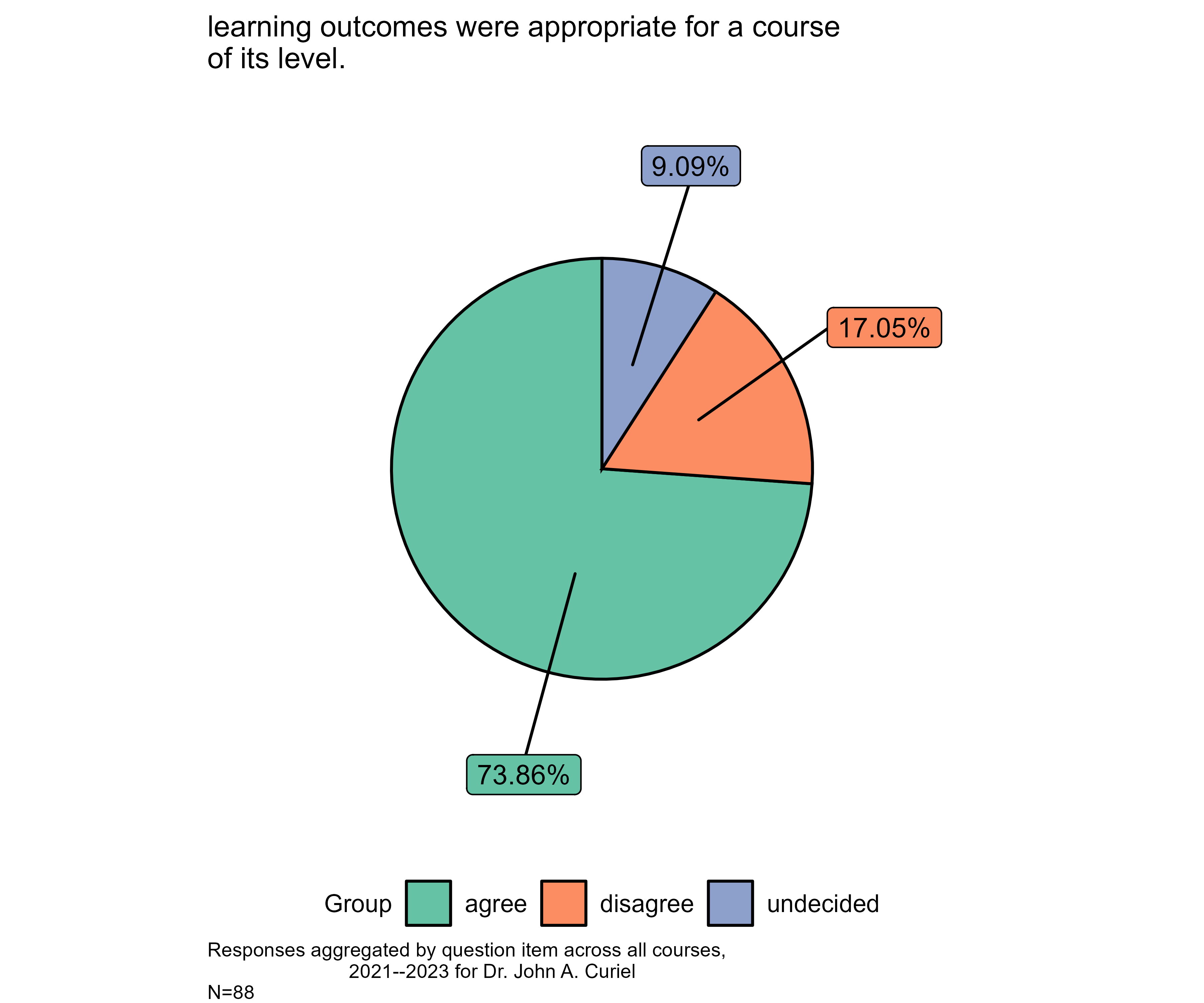
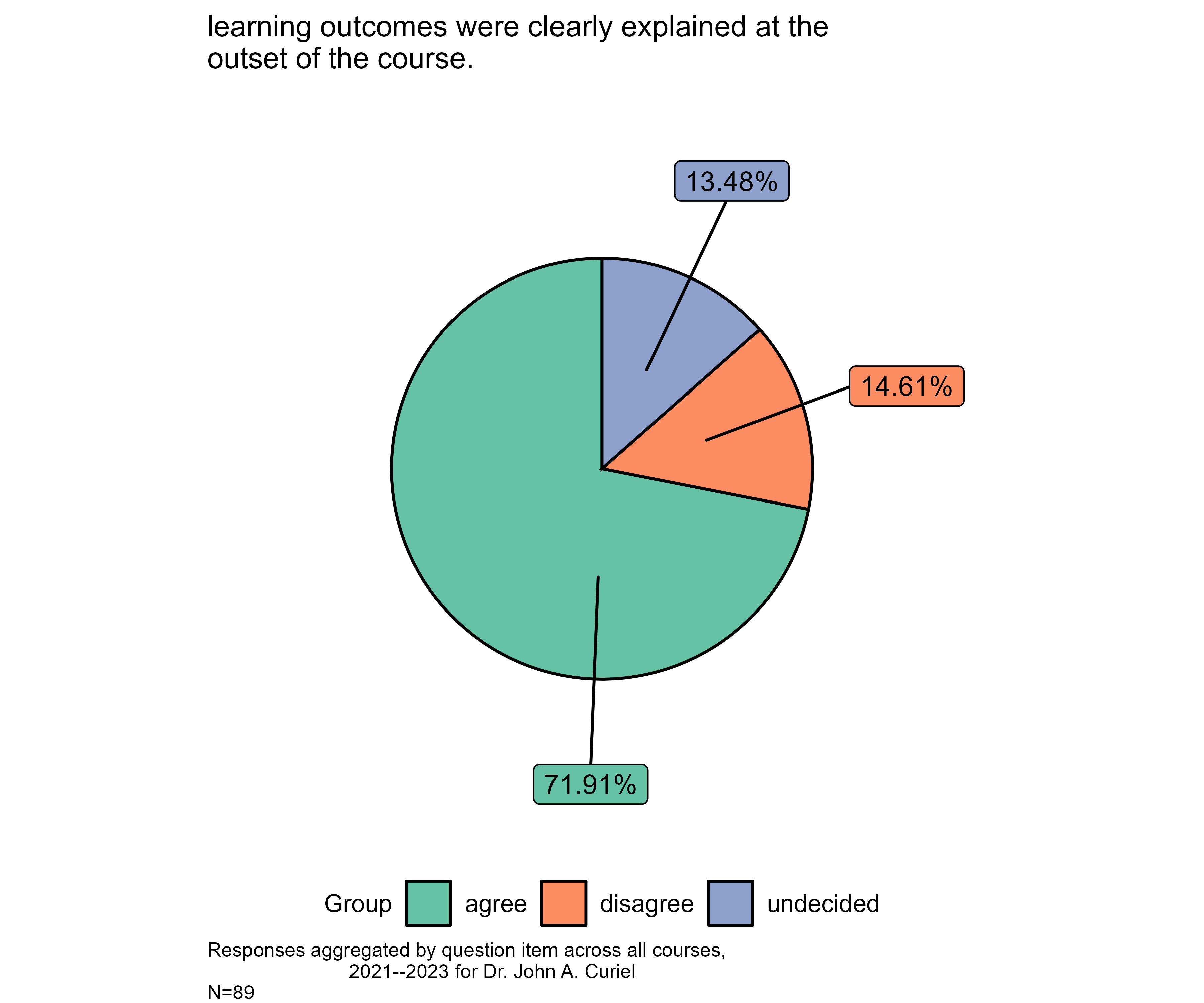
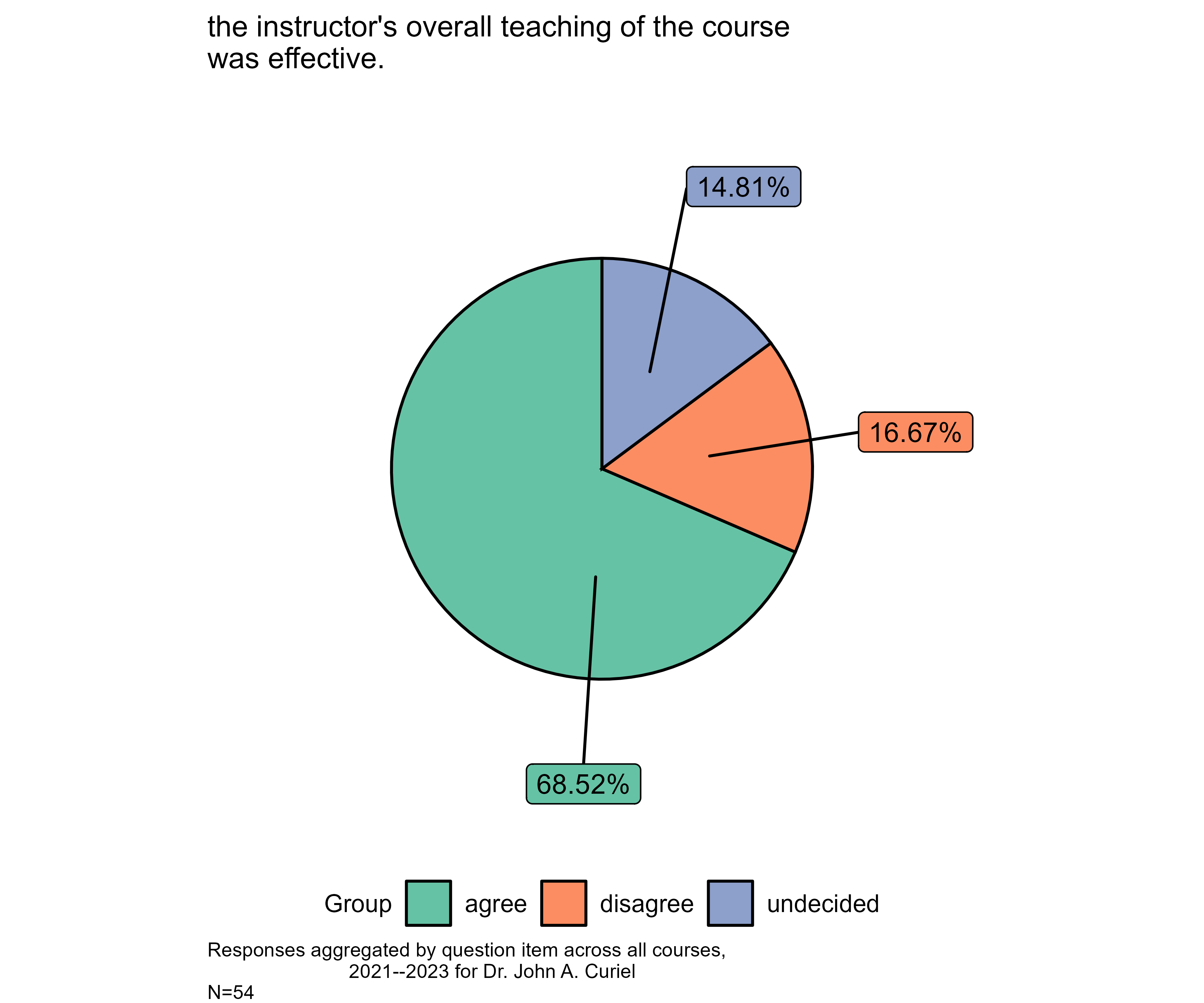
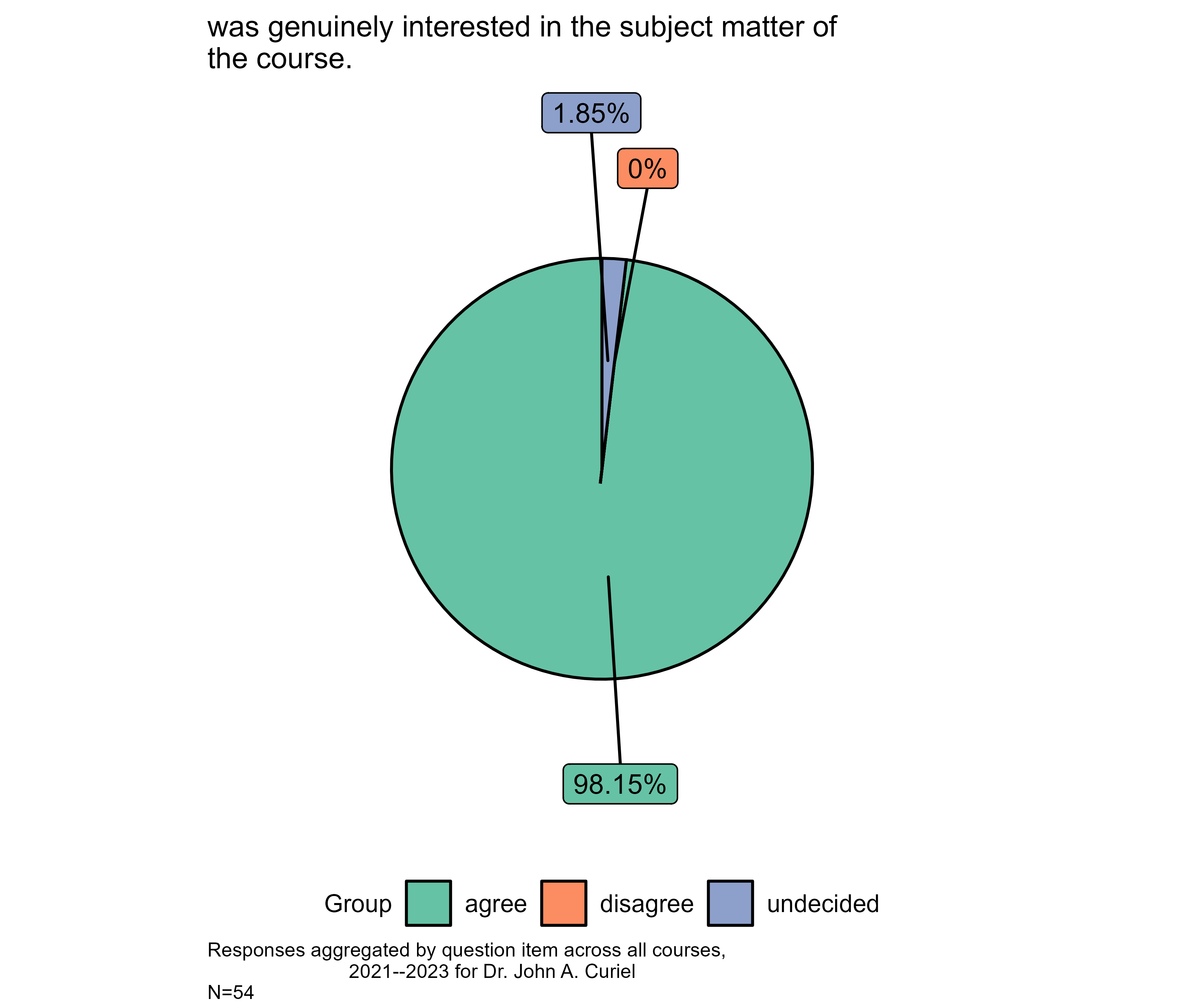
Guest Lecture Review: Johnson & Wales
“I loved recitation with John. He has been by far the best TA that I have had at Carolina. His willingness to work with me and to provide feedback and help on multiple drafts of my papers was invaluable. John was also super knowledgeable about all of the material. I never asked a question that he could not answer.”
“His knowledge of the information and associated subject matter is legendary, to say the least. His ability to help you clear your thoughts as well as increase your knowledge and understanding; makes you feel better prepared for the rhetorical that follow and you have to appreciate his passion for the subject matter. The reading he assigns all help you to learn more about the subject matter and is honestly better than the textbook chosen for the course.”


 John Curiel